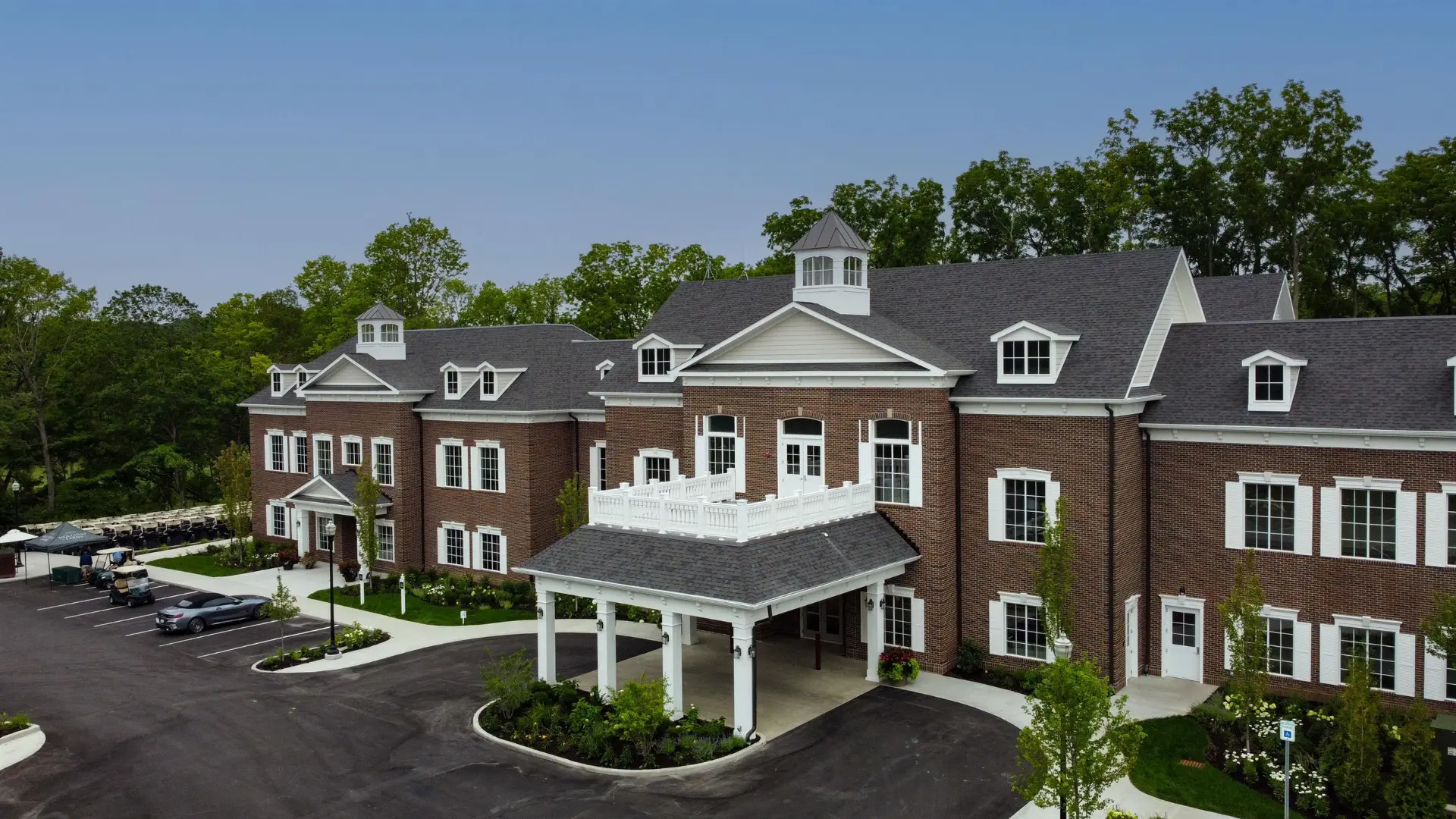
Holliday Farms is a master-planned, golf-anchored luxury community in the Westfield/Zionsville area of Hamilton County, Indiana. Developed by Henke Development Group around a Pete and Alice Dye-designed 18-hole championship course, the 800-acre project is planned for up to 1,500 homes across a 10-12 year buildout, positioning it squarely in Hamilton County's upper-tier market segment.
What is Holliday Farms in Westfield, Indiana, and is it the right community for you?
Holliday Farms is a master-planned golf community in Zionsville, Indiana, situated within Hamilton County. Developed by Henke Development Group around a Pete and Alice Dye-designed 18-hole championship course, the project spans roughly 800 acres and is planned for up to 1,500 homes across a 10-12 year buildout. It sits firmly in Hamilton County's luxury segment, well above the county's mid-2026 median price range, and it's one of the most ambitious residential developments the Indianapolis north suburbs have seen in a generation.
What Makes Holliday Farms Stand Apart
I work with buyers across Chatham Hills, Village of West Clay, Bridgewater Club, and Geist Waterfront, so I see a wide range of what "luxury" means in this market. Holliday Farms occupies a distinct lane: it's golf-first, nature-forward, and built at a scale that creates its own community identity rather than just adding lots to an existing neighborhood.
The Golf Course Anchors Everything
The Pete and Alice Dye-designed championship course isn't a backdrop, it's the organizing principle of the entire development. Home sites are positioned around fairways and natural corridors, meaning your views, your walking paths, and your sense of place are all shaped by the course layout. For buyers who want that club lifestyle woven into daily life rather than a separate membership somewhere else, that distinction matters.
Beyond the course itself, the conceptual plan includes clubhouse facilities, dining, fitness, and mixed-use retail and restaurant elements. That means residents are meant to have most of what they need for a lifestyle amenity within the community itself, not just a golf membership and a nice yard.
Scale, Phases, and What That Means for Buyers Today
This is the part I walk every client through before we even start talking about lot selection. Holliday Farms received final local approvals in 2018, with Henke Development projecting a 10-12 year buildout and a total development value exceeding $550 million. That's a meaningful number, and it tells you something important: this is a long-term community, not a quick-turn subdivision.
What that means practically is that if you're buying in an early or mid-phase, you're buying into a community that will continue to evolve around you. Amenities come online in stages. Neighboring lots may still be under construction. The finished version of Holliday Farms in 2028 or 2030 will look different from what exists today. For some buyers, that's exciting, you're getting in while there's still selection. For others, it's a consideration that needs to be weighed carefully. I help my clients think through exactly where a given phase sits in the buildout timeline and what's realistically coming next.
The original plans envisioned a mix of large estate lots, smaller garden homes, villas, townhomes, and even some apartment-style residential options. That range of product types means the community isn't exclusively one buyer profile, it's designed to accommodate different living preferences within the same master-planned environment.
Lot Selection and the Builder Process
In a master-planned golf development, the buying process looks different from a standard resale transaction. You're typically choosing a lot within a specific phase, then working with either a builder from the developer's approved list or a custom builder that meets the community's design guidelines. Construction timelines run many months and are often sequenced with infrastructure work, roads, utilities, and amenity construction, that's tied to that particular phase.
That process gives you more flexibility on finishes and upgrades than a resale purchase, but it also requires patience and planning. I've worked through new construction transactions across the Indianapolis north suburbs, and the buyers who have the smoothest experience are the ones who go in with clear expectations about timeline, upgrade decisions, and what the community will look and feel like when they move in versus two years later.
Holliday Farms in the Context of the 2026 Market
Understanding where Holliday Farms sits in the broader market helps you evaluate it as a financial decision, not just a lifestyle one. A few important caveats apply here: because the community is still in active buildout, recorded sales within Holliday Farms include a mix of finished homes, new construction closings, and raw land and lot transactions. That mix matters. Lot sales typically close at a fraction of what a finished home costs, so any median figure pulled from the community without filtering for property type will read lower than what buyers are actually paying for homes. I always pull and filter that data carefully before advising a client on value.
What We Know About Holliday Farms Pricing
The original 2018 planning-stage price guidance from IBJ placed single-family homes in a range from roughly $600,000 to $2 million, with attached products starting around $395,000. Those are pre-build figures from 2018 and construction costs have moved significantly since then, so they establish positioning rather than current pricing. For what a specific lot or home in an active phase is actually trading for today, you need current MLS data filtered to exclude land sales, and that's exactly the kind of pull I do for clients before we have a serious conversation about a community.
What those original figures do confirm is the community's intended tier: this is Hamilton County's luxury and estate segment, not its median. The mix of product types (estate lots, garden homes, villas, townhomes) means there's a range within the community, but the floor is well above what most of the county is transacting at.
Hamilton County as the Broader Frame
Hamilton County is the highest-priced major county in central Indiana, and Holliday Farms sits in Zionsville, which straddles the Boone/Hamilton county line in this area. The surrounding market context is still relevant as a frame of reference for long-term value.
According to the Indiana Association of REALTORS® Housing Hub, the median sale price in Hamilton County in May 2026 was $474,995, up 6% month-over-month, with roughly 1.6 months of inventory, still a seller-leaning market. A May 2026 county market update puts the year-over-year median closer to $520,500, up 3.7% from 2025. Holliday Farms is positioned well above both of those figures.
For broader context, the Indiana Business Research Center's Spring 2026 analysis places the Indianapolis MSA median at $310,000 as of March 2026. The gap between that figure and Hamilton County's median tells you something about the premium buyers are paying to be in this part of the metro, and Holliday Farms is priced above even that county premium.
The All-Transactions House Price Index for Hamilton County (FRED) registered 253.76 for 2025 (with 2000 = 100), reflecting substantial long-run appreciation in the surrounding market. That's the kind of trajectory that matters when you're evaluating a 10-12 year buildout community.
| Market Indicator | Figure | Source / Period |
|---|---|---|
| Holliday Farms Home Price Range (at planning) | ~$600K to $2M (SFH); ~$395K+ (attached) | IBJ, 2018 planning-stage guidance |
| Hamilton County Median Sale Price | $474,995 | IAR Housing Hub, May 2026 |
| Hamilton County Median Sale Price (YoY) | $520,500 (+3.7% YoY) | Everything Hamilton County, May 2026 |
| Hamilton County Median Days on Market | 18 days | Mid-2026 county report |
| Hamilton County Months of Supply | ~1.1 to 1.6 months | IAR / Everything Hamilton County, mid-2026 |
| Indianapolis MSA Median Price | $310,000 | IBRC Spring 2026, March 2026 |
| Hamilton County House Price Index | 253.76 (2000=100) | FRED, 2025 annual |
What This Means for a Holliday Farms Buyer
Even with inventory rising 20-34% year-over-year in late 2025 into 2026 per Everything Hamilton County's August 2026 housing market trends report, Hamilton County remains well below a balanced market's 5-6 months of supply. For new construction at the luxury level, the constraint isn't inventory in the traditional sense, it's phase releases and builder capacity. That's a different kind of competition, and it rewards buyers who are prepared and working with someone who knows the process.
The July 2026 Hamilton County market update notes the county median exceeded $500,000 that month, roughly double Indiana's statewide median of approximately $255,000. Upper-tier segments in this part of the metro remain active, supported by strong household incomes and continued employer growth, exactly the demand base a community like Holliday Farms is built for.
Your specific picture, what a lot in a given phase costs, what the build timeline looks like, what the HOA structure covers, depends on where the project stands today and what phase aligns with your timing. And critically, it depends on pulling the right data, filtered correctly, so you're not making a decision based on a median that includes land sales. That's the conversation I have with every client before we make a move.
Frequently Asked Questions About Holliday Farms
What makes Holliday Farms different from other golf communities around Indianapolis?
The Pete and Alice Dye-designed 18-hole championship course is the centerpiece, which puts it in rare company, Dye courses are known for distinctive, challenging designs rather than generic layouts. Beyond the course, the master plan includes mixed-use elements like dining and retail within the community, which is less common in traditional golf developments. The sheer scale (roughly 800 acres, up to 1,500 homes) also means it's building toward a self-contained lifestyle environment rather than a golf amenity bolted onto a standard subdivision.
How long is the buildout timeline and what does that mean for buyers?
Henke Development received final approvals in 2018 and projected a 10-12 year buildout, per Indianapolis Business Journal reporting. That puts full build-out somewhere in the late 2020s to early 2030s range. For buyers in 2026, that means some phases are already delivered, some are actively building, and others are still in planning. Buying into an active phase means you'll experience ongoing construction nearby as the community fills out, worth understanding before you commit.
How does living in Holliday Farms compare to other luxury communities near Zionsville?
Holliday Farms is positioned in the luxury and estate segment, well above the Hamilton County median. Compared to communities like Chatham Hills (also golf-anchored, in Westfield), Village of West Clay (Zionsville, more traditional architecture and walkable village center), or Bridgewater Club (Carmel, established golf community), Holliday Farms offers the largest scale and the most ambitious master plan. The right fit depends on how you want to live day-to-day and which community's lifestyle and location actually match your priorities.
Is the market still competitive in 2026 for luxury new construction in Zionsville?
Yes, though the dynamic is different from a resale market. County-wide inventory is around 1.1-1.6 months of supply as of mid-2026, per the Indiana Association of REALTORS® Housing Hub, well below the 5-6 months that signals a balanced market. For new construction at Holliday Farms specifically, competition shows up as limited phase releases and builder capacity constraints rather than bidding wars. One thing worth knowing: recorded sales data for the community includes land and lot transactions alongside home closings, so raw median figures can be misleading. Being prepared with financing and working with an agent who knows how to read that data, and who knows the builder process, gives you a real advantage.
What should I know about resale potential when buying into a master-planned community?
Long-term value in a master-planned community tends to strengthen as the community matures and amenities come fully online. Hamilton County's All-Transactions House Price Index (FRED) registered 253.76 in 2025 (2000=100), reflecting decades of sustained appreciation. Golf-course frontage and club amenities typically support a price premium over comparable non-golf homes in the same submarket. That said, HOA structure, phase location, and lot position all factor into resale, details worth reviewing carefully before you sign.
Are there HOA or tax considerations specific to a golf course community?
Golf communities typically carry more structured HOA governance than standard subdivisions, covering architectural standards, landscaping requirements, and amenity maintenance. Specific dues and fee structures for Holliday Farms should be reviewed directly from current community documents, as they vary by phase and product type and can change as the development matures. Indiana property taxes are assessed at the county level through the Hamilton County Assessor's office, and your tax obligation will depend on your assessed value and any applicable exemptions. I always recommend buyers review current HOA documents and connect with their tax advisor before closing.
Ready to dig into Holliday Farms specifically, which phases are active, what lots are available, and how the builder process works right now? That's exactly the kind of conversation I have with clients before anything else. Reach out and let's map out what makes sense for your timeline and goals.
Related reading: the case for Chatham Hills in Westfield, the countywide luxury market in Hamilton County, waterfront alternatives around Geist Reservoir, where builder activity is concentrated right now.
Call or text me directly at 317-292-2305, visit maddiemoellerrealtor.com, or send me a note at maddiemoellerrealtor@gmail.com. You can also follow along on Instagram for ongoing market updates across the Indianapolis north suburbs.